Gold Coins & Bullion
Topic guide · Updated October 2026
For most of history, owning gold meant owning gold coins. Today, coins and bars remain the simplest way to hold physical gold, and some rare coins have become collector's pieces worth millions. This guide explains the basics of gold coins and bullion and brings together all our articles on the topic.
A short history of gold coins
The first coins are usually credited to the kingdom of Lydia in western Anatolia, around the 7th–6th centuries BC. They were made of electrum, a natural alloy of gold and silver. King Croesus of Lydia is associated with the first coins of relatively pure gold.
Gold coins then spread across the ancient world: the Persian daric, the Roman aureus and the Byzantine solidus, which kept its weight and purity for centuries and was trusted from Europe to Asia. In medieval Europe, the Florentine florin and the Venetian ducat became international currencies.
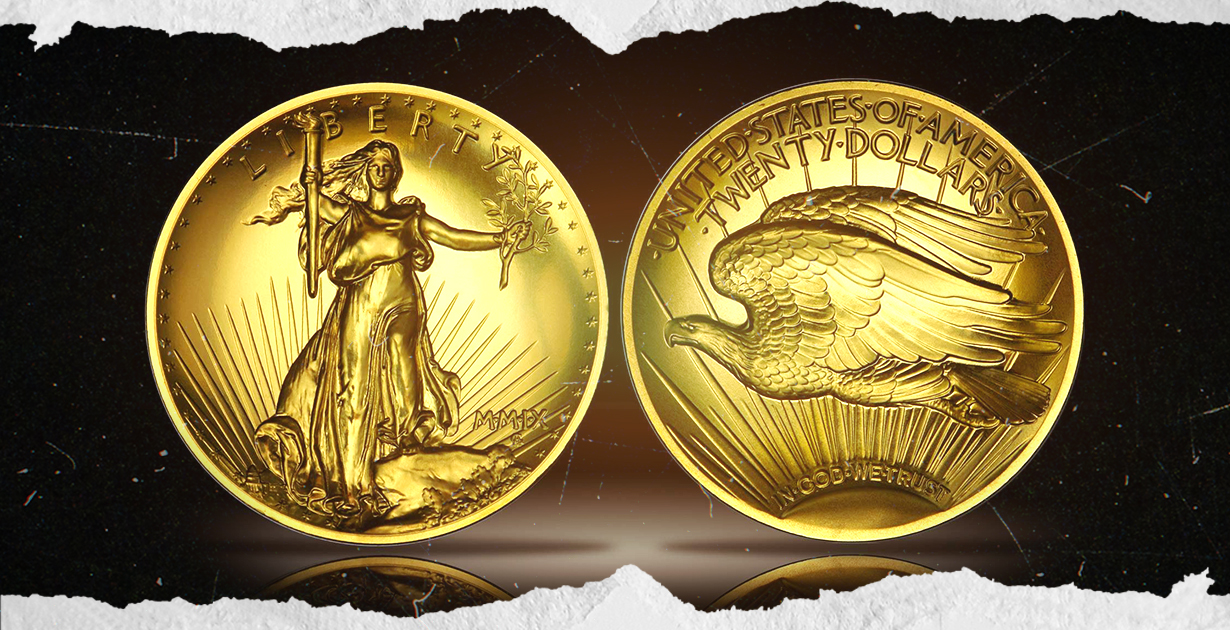
In the 19th and early 20th centuries, many countries used the gold standard, and gold coins such as the British sovereign and the American $20 Double Eagle circulated as everyday money. The system ended during the 20th century, and gold coins became collector's items and investment products.
Bullion coins and bars
Today there are two main types of gold coins:
- Bullion coins — such as the Krugerrand, the Canadian Maple Leaf, the American Gold Eagle and Buffalo, the Vienna Philharmonic, the Britannia and the Australian Kangaroo — are minted in large numbers and priced mainly on their gold content.
- Numismatic coins are valued for rarity, history and condition. Their price can be many times the value of the gold they contain.
Gold bars range from tiny 1-gram bars to the 400-ounce (about 12.4 kg) "Good Delivery" bars traded between banks in the London market. Bars from accredited refiners carry a stamp showing the refiner, weight, purity and usually a serial number.
Understanding purity
Gold purity is measured in fineness or carats. Pure gold is 24 carats, or "999.9" fineness (99.99% gold). Some coins, such as the Krugerrand and the American Gold Eagle, are made of 22-carat gold (91.67%) with a little copper to make them more resistant to wear — but they still contain a full ounce of gold.
Records: the largest, smallest and most expensive
- The most expensive coin ever sold is the 1933 Double Eagle, auctioned for about $18.9 million in 2021.
- The largest gold coin is a one-tonne Australian Kangaroo made by the Perth Mint.
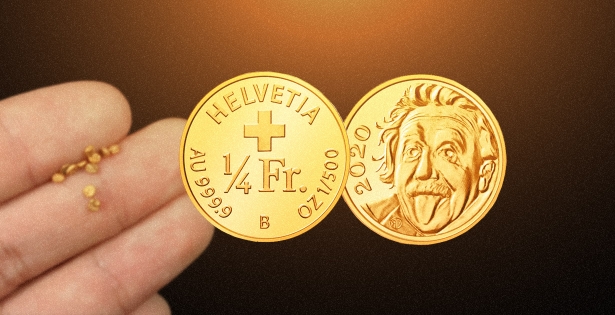
- At the other extreme, mints have produced gold coins so small that they can barely be seen without a magnifying glass.
Storing gold safely
Physical gold should be stored in a way that protects it from theft, damage and loss: in a home safe, a bank safe deposit box or a professional vault. Keep coins in their original capsules and bars in their packaging with certificates, and avoid cleaning or handling them unnecessarily.
Things to check before buying
- buy from reputable dealers and mints;
- compare the premium over the gold price;
- check the weight, purity and packaging;
- remember that the price of gold can go down as well as up.
This page is for general information and is not investment advice.
Frequently asked questions
What is the most expensive gold coin in the world?
The 1933 Saint-Gaudens Double Eagle, a US $20 gold coin, sold at Sotheby's in 2021 for $18,872,250 — the highest price ever paid for a coin at auction.
What is the difference between a bullion coin and a numismatic coin?
A bullion coin is valued mainly for its gold content and is produced in large numbers. A numismatic coin is valued for its rarity, history and condition, and can be worth far more than its metal.
Is a 22-carat gold coin worth less than a 24-carat one?
Not necessarily. Coins such as the Krugerrand are 22-carat but are made slightly heavier, so they still contain one full troy ounce of pure gold.
How much does a standard gold bar weigh?
The "Good Delivery" bars traded between banks weigh about 400 troy ounces (around 12.4 kg). Bars for private buyers range from 1 gram to 1 kilogram and more.
Recommended reading
- The Most Expensive Coin in the World: the American "Double Eagle"
- The largest in the world: giant gold coins
- The world’s smallest gold coin
- 5 Gold Pounds from the Royal Mint of Great Britain
- "George Washington" Gold Coin for $1,7 million
- Golden giants: how much does the bar from the Guinness Book of Records weigh?
- Golden history: the most expensive historical coins
- Byzantine gold coins in Bulgaria
All articles on this topic (20)
- Golden history: the most expensive historical coins
- Byzantine gold coins in Bulgaria
- The world’s smallest gold coin
- Golden giants: how much does the bar from the Guinness Book of Records weigh?
- Gold coin in honor of the Queen: it weighs almost 4 kilograms!
- Treasury of coins in a German monastery
- Gold Bar Challenge: get the gold if you can!
- Eagles of Napoleon
- The largest in the world: giant gold coins
- The Most Expensive Coin in the World: the American "Double Eagle"
- "George Washington" Gold Coin for $1,7 million
- The "Diwali" coin as a sign of the victory of the forces of good
- 5 Core Monetary Principles of Financial Security
- China: The Golden Week
- 5 Gold Pounds from the Royal Mint of Great Britain
- [True story] How to get gold bars worth 38,000 EUR?
- How to store your gold bars properly (Instructions in pictures)
- Third round of Global 100! Your chance to win gold bars!
- And the gold bar of “The Gold We Love” contest goes to...
- Gold is where you find it! Where are $19,000 worth gold bars?